

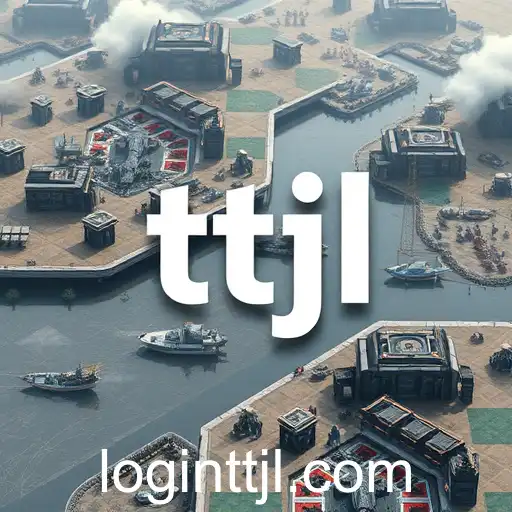

Strategy games have long stood as a beloved category in the gaming world, known for challenging players to exercise their wits and foresight. Emerging as a significant contrast to rapid-action genres, these games put a premium on planning, resource management, and strategic execution. Whether orchestrating a military campaign, managing empires, or simulating cityscapes, strategy games demand a level of engagement that rewards patience and thoughtfulness.
In essence, strategy games can be divided into two primary subgenres: real-time strategy (RTS) and turn-based strategy (TBS). In RTS games, players must make quick decisions with the game progressing in real-time, simulating the pressure of real-world scenarios. Titles like 'StarCraft' and 'Age of Empires' exemplify this subgenre, requiring players to manage resources, construct buildings, and outmaneuver opponents in dynamic battles. On the other hand, TBS games like 'Civilization' and 'X-COM' allow players to take their time, strategizing at a more relaxed pace with moves calculated during their turn.
A captivating feature of most strategy games is their emphasis on resource management. Players are tasked with acquiring and utilizing resources, be it gold, food, or units of labor, to build their factions and achieve game-defined objectives. This gameplay element introduces a layer of economic strategy, where balancing the budget and optimizing resource allocation becomes crucial for success.
Additionally, strategy games often incorporate elements of diplomacy and alliance-building. A player's ability to forge strategic partnerships or deceive opponents adds dimension to gameplay, turning digital conquest into a complex web of interactions reflective of geopolitical realities. Players must navigate the intricate tapestry of alliances and enmity, subtly crafting their dominance through cooperation and competition.
The storytelling potential within strategy games also contributes to their allure. As players often assume the role of a leader or commander, narrative elements such as historical events, lore integration, and character arcs add depth to the game world. Through these stories, players not only experience their strategic exploits but also engage with the game's rich tapestry of context and meaning.
The challenge presented by strategy games is frequently accentuated by their multiplayer capabilities, where players can compete against human opponents. This introduces unpredictability into the equation, as human adversaries showcase a level of adaptability AI opponents may not provide, further elevating the strategic complexity.
In conclusion, strategy games have carved a unique niche in the gaming industry, celebrating the art of strategic thinking. They attract those who revel in intellectual challenges and offer a gratifying pursuit of mastery and conquest. As technology evolves, this beloved genre continues to expand, drawing new participants into the grand chessboard of virtual strategy.

Explore how TTJL is shaping the gaming landscape with innovative trends and community engagement.

Exploring the transformative impact of TTJL within the online gaming landscape in 2025.

Explore how TTJL is reshaping the landscape of English gaming in 2025 through AI integration, community engagement, and industry trends.
An in-depth look at the key developments in online gaming industry with a special focus on 'ttjl' and its influence amidst the 2025 gaming landscape.

An in-depth look at how TTJL has become a prominent platform in the online gaming industry in 2025.

Exploring TTJL's impact on the online gaming landscape and its future prospects.
